About
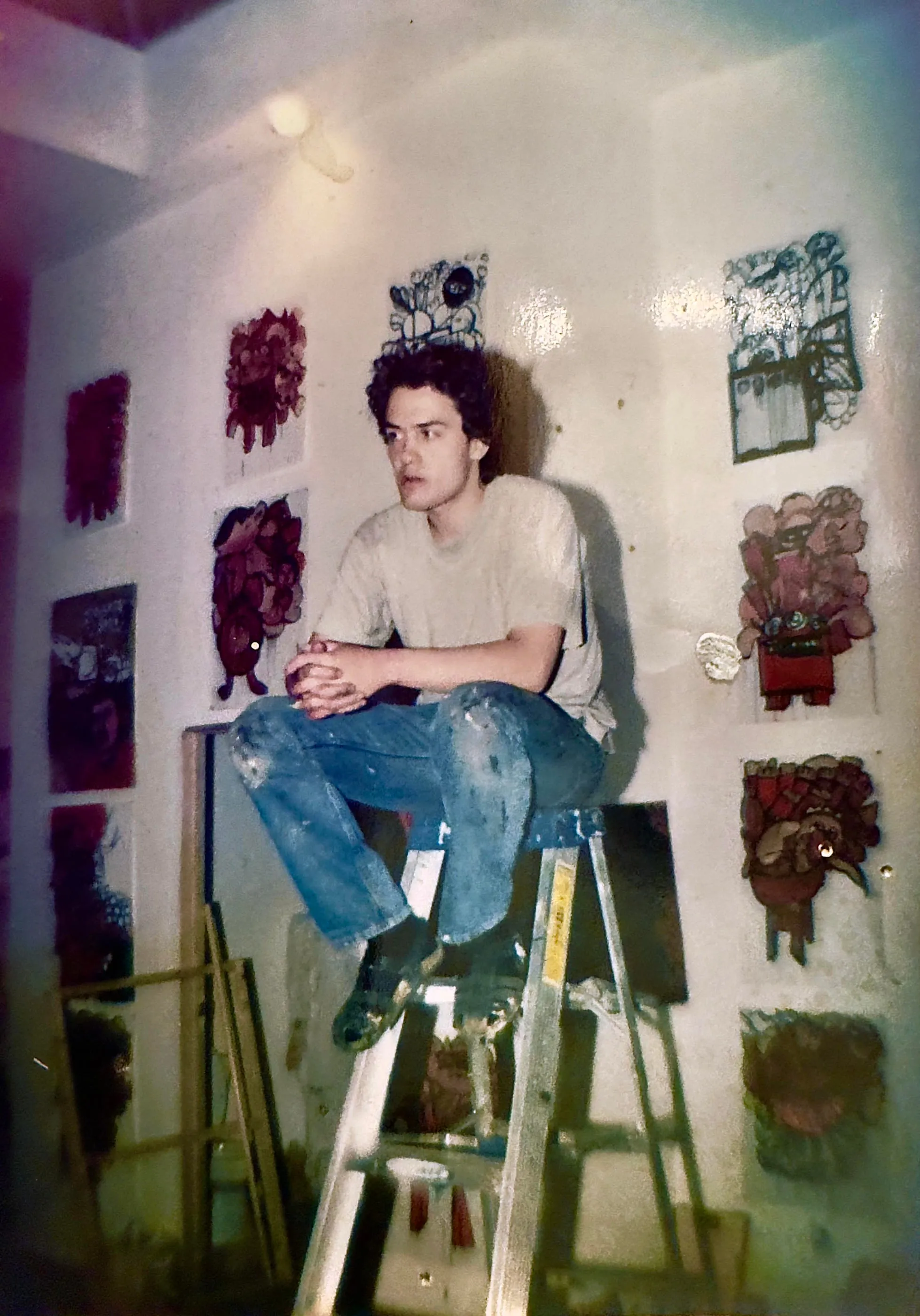
Leopoldo Goût is a multidisciplinary artist, novelist, and filmmaker. His practice moves across contemporary art, cinema, literature, and sound as a single expanded field. Born and raised in Mexico City and trained in sculpture at Central Saint Martins in London on a full scholarship from the Mexican Center for the Arts and the British Council, he has spent more than two decades living and working between New York City, Mexico City, and Oaxaca. As a novelist he takes notes, and as an artist he draws the worlds he writes. His projects operate at the intersection of myth, science, and personal history, treating art not as object but as a site of resonance, a deeper investigation into memory, migration, material intelligence, and the transmission of experience through form and ritual.
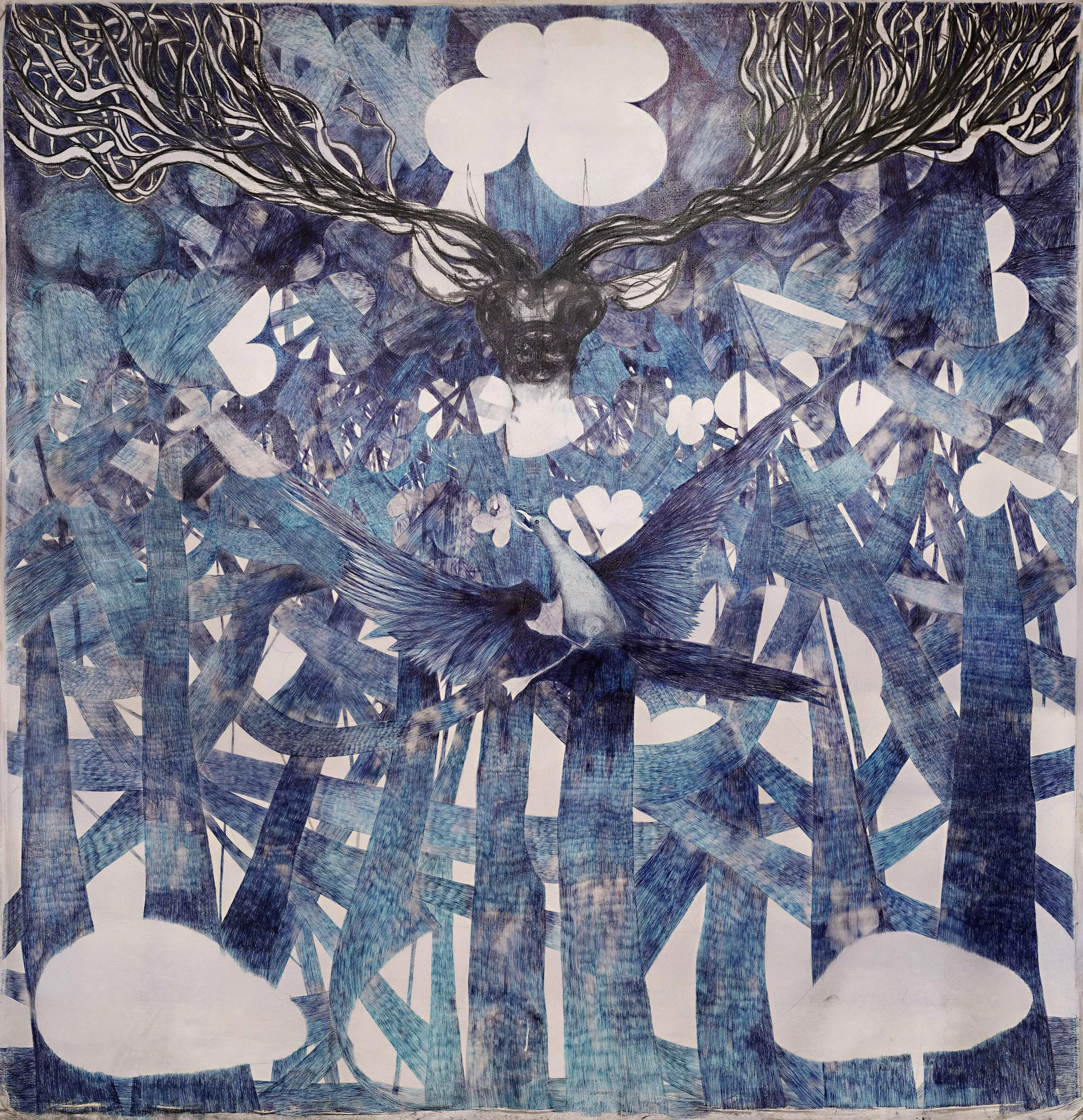
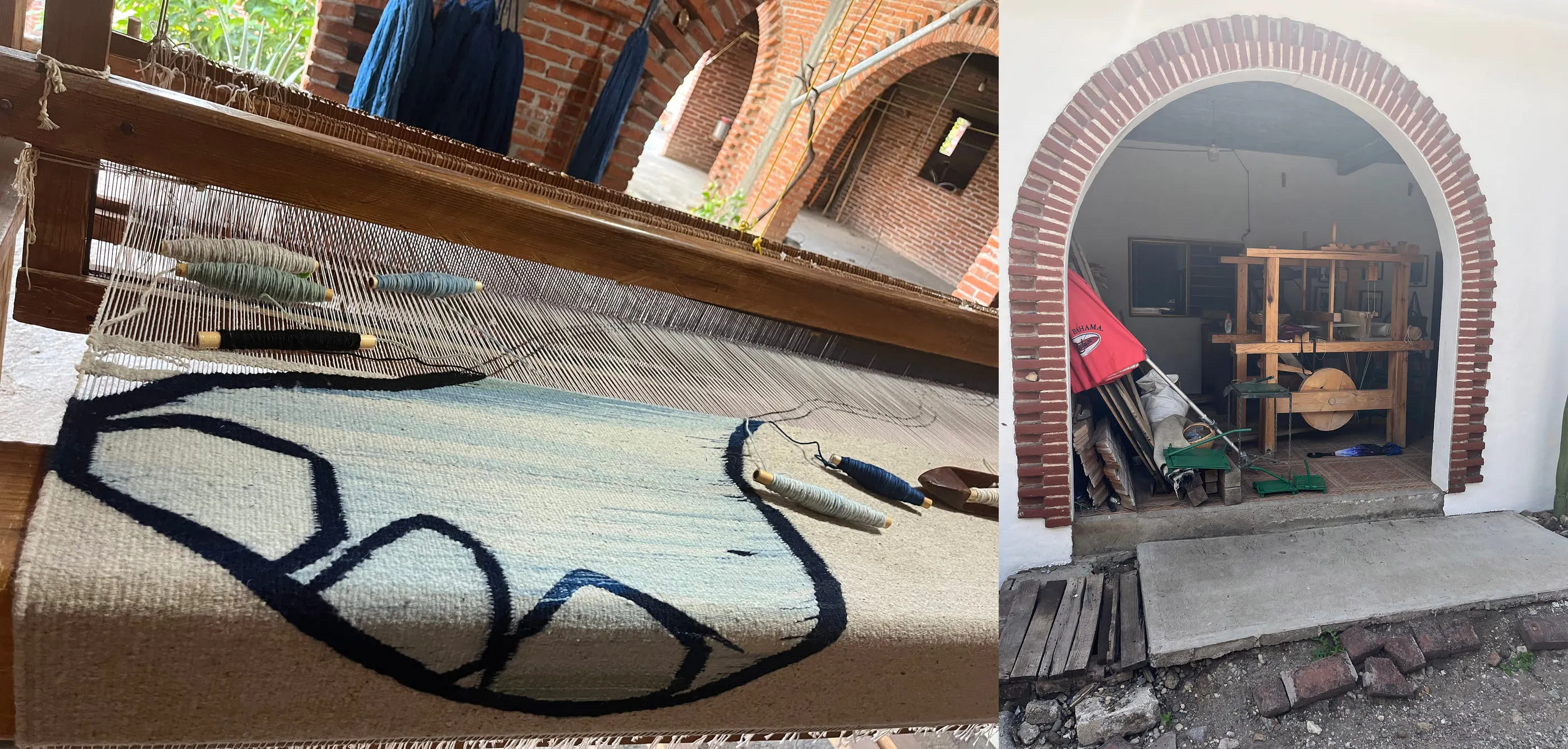
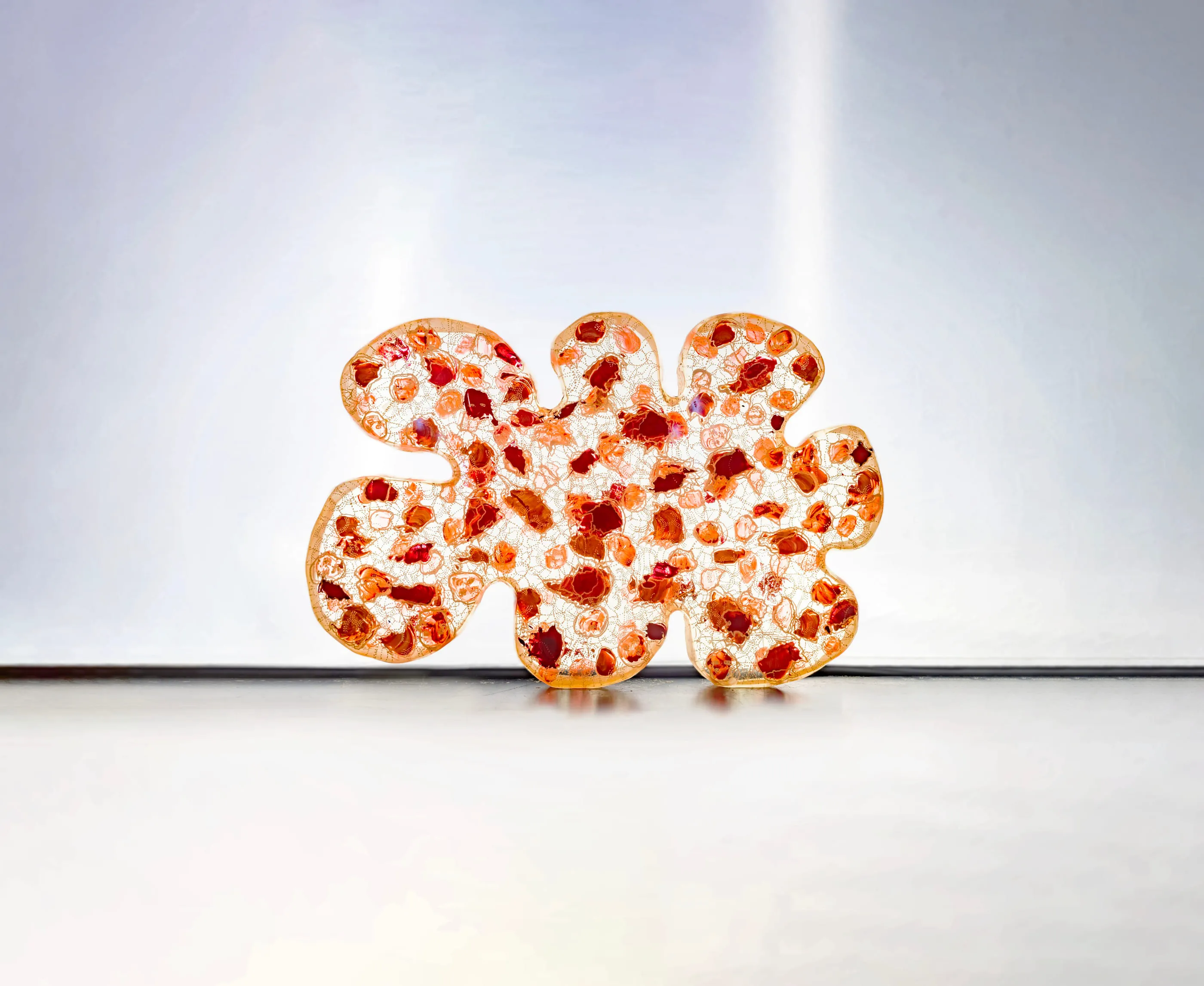
His visual practice spans sculpture, painting, drawing, tapestry, installation, moving image, and sound. The work is materially grounded and process driven, rooted in cycles of construction and erasure that mirror the operations of memory itself. Goût frequently binds volcanic ash from the Popocatépetl region into his bronze and glass castings, tying contemporary form to geological time and anchoring each piece in a specific landscape. A sustained collaboration with Zapotec master weavers in Teotitlán del Valle, notably the fourth-generation artisan Antonio Ruíz Mendoza and his family, translates gestural marks, acoustic structures, and diagrammatic forms into textile through ancestral looms and natural dyes. Each tapestry requires a full year to produce and functions at once as archive, score, and landscape of memory, positioning the studio as a place where indigenous knowledge systems and contemporary conceptual strategies converge on equal terms.
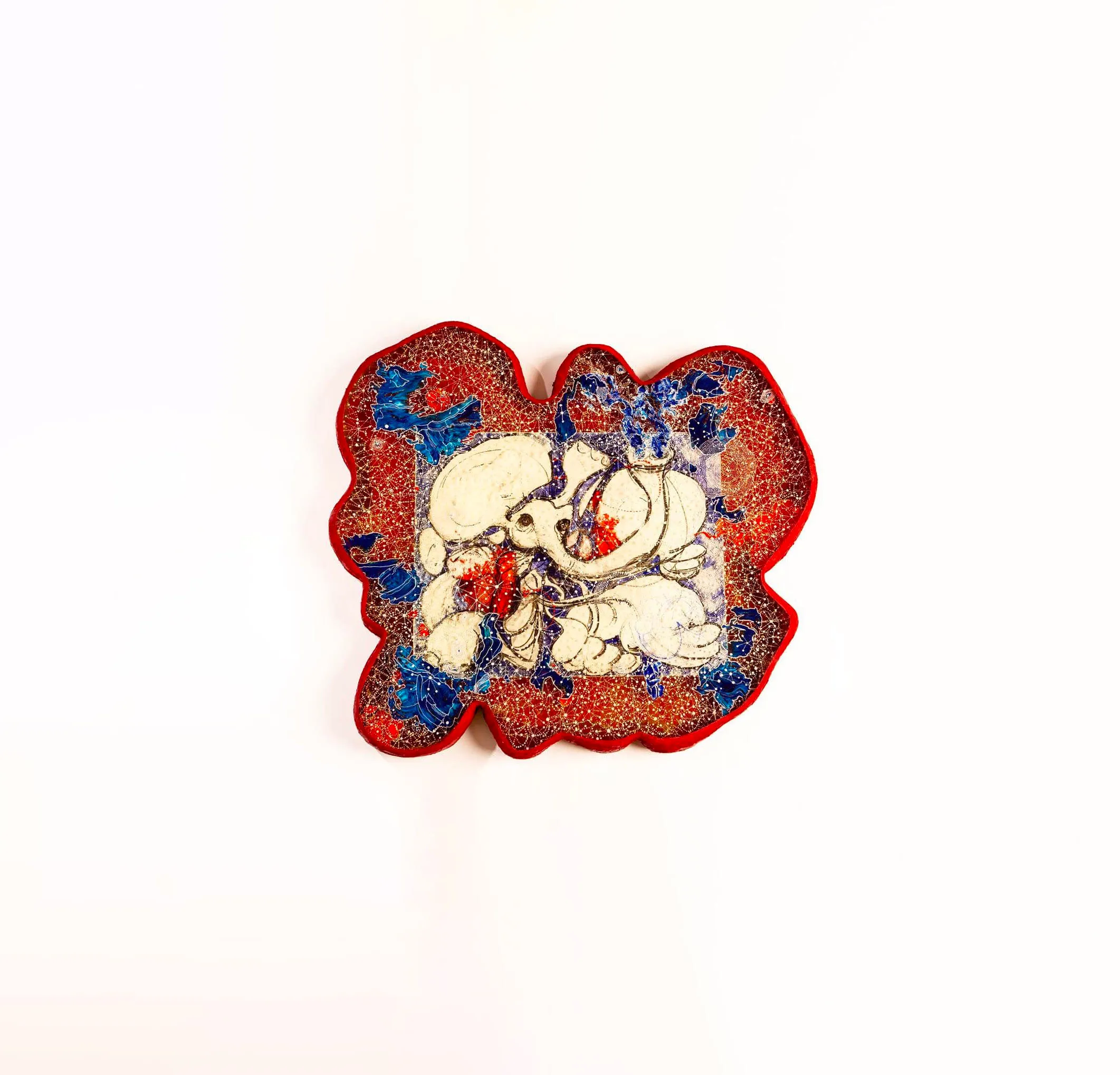
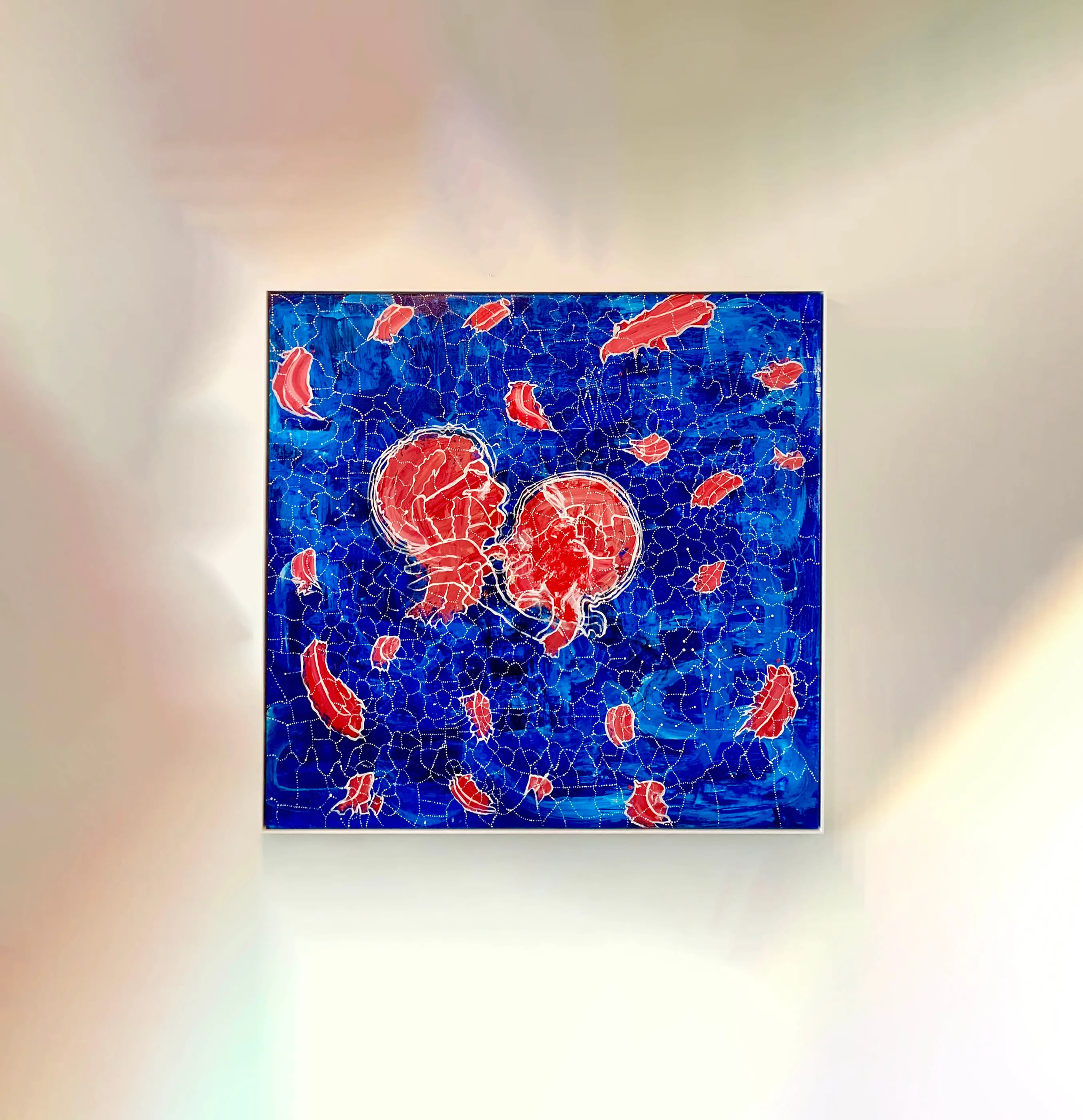
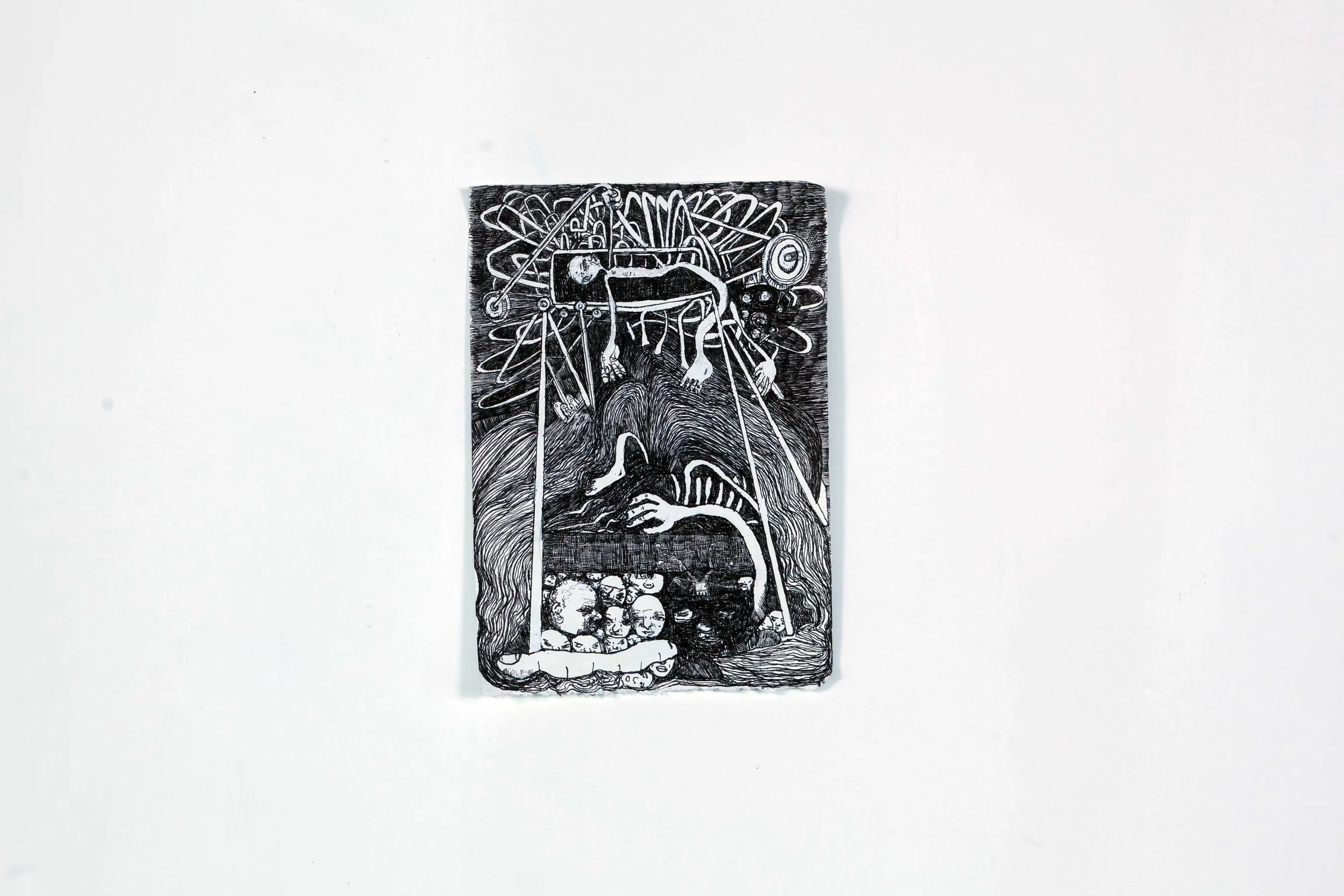
Visually, Goût’s language is defined by unstable morphologies and layered temporalities. Bodies dissolve into landscapes, animals become diagrams, marks surface and disappear through accumulation and subtraction. He has described his work as inhabiting the threshold between waking and dream, that fleeting moment when an intensely vivid image begins to dissipate. What may at first appear formless is in reality a carefully constructed ecology of signs, a perspective on what it means to be conscious rendered through paint, bronze, wool, and frequency. His recent solo exhibition Elefante at Povos Gallery in Chicago, his first gallery presentation in over a decade, brought together large-scale bronze sculptures, monumental tapestries, oil and acrylic paintings, video, and a custom-built analog audio system spinning a vinyl record composed for the show. The exhibition embodied his conviction that image-making is itself a migratory act.
He operates three interconnected studios that together form a single distributed laboratory. A Lower Manhattan space is dedicated to drawing, painting, sound, and narrative development. A Mexico City workshop handles large-scale sculpture, bronze casting, and functional sculptural objects where design, craft, and fine art converge, including hand-built stereo systems in which sculpture becomes a working instrument. An Oaxaca facility focuses on glass, tapestry, experimental material research, and a sustainable mezcal project that extends his interest in process, fermentation, and time as artistic media. In 2007, a fire destroyed his New York home and with it twenty years of accumulated work. Rather than retreating, Goût wrote his first novel, Ghost Radio, while effectively homeless, using a FedEx Kinko’s as a makeshift studio. The catastrophe reinforced what would become a central principle of his practice, that the studio is not a physical space but an inner signal, and that destruction, like memory, is a generative force.
SOUND AS STRUCTURE
Sound is not an accompaniment to Goût’s visual work but a structural principle that runs through the entire practice. He treats sculpture as a vessel for vibration and drawing as a form of notation, translating acoustic phenomena into physical form with the rigor a composer brings to orchestration. This method culminates in El Lenguaje de las Ballenas / The Language of Whales, an interdisciplinary project that merges bioacoustic research, sculpture, tapestry, drawing, and spatial audio. Developed in dialogue with scientific initiatives studying cetacean communication, the work converts whale vocalizations into sculptural architectures and immersive sonic environments. It proposes listening as both an aesthetic method and an ethical position, a way of attending to forms of intelligence that operate outside human language.
His sonic practice extends into Telar Adentro, a limited-edition double vinyl created with composer Oriana Gidi. The record functions as a sonic palimpsest of his studio process, layering recordings of bronze being forged, loom rhythms, environmental sound, and family voices into a composition that translates sculptural labor into frequency and time. The album accompanied the Elefante exhibition, played on a handmade analog system built with Hano Analog, so that sound became architecture rather than background. Across music, textile, and sculpture, Goût builds parallel systems for encoding and transmitting memory.
CINEMA AND TELEVISION
Parallel to his visual practice, Goût has built an internationally recognized career in film and television that shares the same conceptual DNA. His first feature as producer, Days of Grace, directed by his brother Everardo Goût, premiered at the Cannes Film Festival in 2011 and went on to win twenty-two international awards, including eleven from the Mexican Academy, becoming one of the most honored Mexican films of its generation. With his brother he co-founded Casa B Productions, producing work across music video, documentary, and narrative film for collaborators including David Byrne, Mos Def, and The Roots.
Goût was a founding producer of Aaron Sorkin’s Oscar-nominated Molly’s Game and has produced and executive produced projects for CBS, Lionsgate, Participant, and Netflix. His credits include the Critics’ Choice winning Filthy Rich documentary films on Jeffrey Epstein and Ghislaine Maxwell for Netflix, The Chosen One, based on Mark Millar’s comic series, which debuted at number one across dozens of countries on Netflix, and Get Millie Black for HBO and Channel 4, created by Booker Prize winner Marlon James, which premiered to a 100 percent rating on Rotten Tomatoes. His podcast King of the Peso for Audible extends his narrative work into long-form audio.
He executive produced Aún es de Noche en Caracas (It Would Be Night in Caracas), directed by Marité Ugás and Mariana Rondón and starring Natalia Reyes and Edgar Ramírez. After premiering at the Venice and Toronto film festivals and releasing worldwide on Netflix, the film earned nine nominations at the 68th Ariel Awards, the honors of the Mexican Academy of Film, including Best Actress for Natalia Reyes and Best Adapted Screenplay for Rondón and Ugás. He is in active development on the directors’ next feature, based on Gabi Martínez’s novel Gritadero. His feature in Mongolia, which he is co-directing and producing alongside Andreas Dalsgaard and ELK Films in Denmark, continues his exploration of ritual, landscape, and transformation through cinema. Piñata is also in development as a feature film. His illustrated novel Monarca, an ecological fable about the monarch butterfly’s migration co-written with Eva Aridjis, is being adapted into an animated film and immersive art experience in collaboration with Selena Gomez and Alfonso Cuarón.
LITERATURE
As a novelist, Goût writes at the border between horror, technology, and cultural memory. His new novel Rooted arrives from Tor Nightfire / Macmillan on September 15, 2026. Publishers Weekly gave it a starred review, calling it “a striking horror novel” and “a deep exploration of the weight of love and history,” while Booker Prize winner Marlon James hailed it as “a blood reckoning” and “a canticle of love, hate and magic.” One month later, in October 2026, his story Lucy & Fer appears in Something Followed Us Home, the new Tales of Latine Horror anthology from Simon & Schuster, making this a season with two new books on shelves.
His debut Ghost Radio (HarperCollins, 2008), narrated in its audiobook edition by Pedro Pascal, was praised by James Patterson as reminiscent of early Stephen King, received an Audie Award nomination, and is in development for television. His novel Piñata (Tor Nightfire, 2023) was named one of Esquire’s Best Horror Books of the year. He is the author of the Genius trilogy, reviewed by The New York Times and winner of the Mathical Book Prize, which follows young prodigies from diverse backgrounds navigating technology, power, and collective action. Monarca (HarperOne), his illustrated novel co-written with Eva Aridjis about a thirteen-year-old girl who transforms into a monarch butterfly to fulfill an ancestral prophecy, extends his lifelong engagement with migration and nonhuman intelligence into young-adult literature. Through his imprint Leopoldo & Co., in partnership with Atria/Simon & Schuster, he has championed new literary voices, publishing works including Brian David Johnson’s FutureYOU for HarperCollins and Judge Rosemary Aquilina’s memoir for Audible/Hello Sunshine.